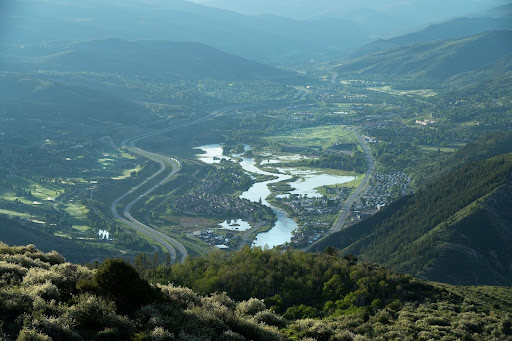
Photo credit: Todd Winslow Pierce, Eagle Valley Wild.
Click here to view this article in the Vail Daily.
There’s no denying it: this has been an incredibly dry winter. The Eagle River Valley’s snowpack has been less than 50% of the median average for most of the season. The likelihood of our snowpack recovering to average levels in time for summer is low. Among other possible consequences, this means an increased risk for wildfires and a high likelihood of water usage restrictions.
It’s easy to let these statistics get you down; our inability to control the weather can leave us feeling powerless. Despite this, there are plenty of ways in which we can prepare ourselves for a dry summer. As with the larger threat of climate change, one of the best ways to address anxiety about the future is to take action.
In February, we are encouraged to spend time trying to appreciate the people we love. We don’t often, however, stop and think enough about the natural environments that we love. If we begin to think about our local waterways as forces-of-nature to be cherished and stewarded rather than purely resources to be carved up, we will be more likely to take measures to ensure their wellbeing into the future.
In the middle of one of our driest winters on record, and with a droughtful summer likely on the horizon, now is an excellent time to begin thinking about how to care for your river. In honor of Valentine’s Day, here are ten ways to show love for your local watershed.
- Plan to attend a volunteer event. If your love language is “acts of service,” then what better way to show your passion for your watershed? Events like the Community Pride Highway Cleanup (May 2nd), the Eagle River Cleanup (September 12th) and Restore the Gore planting events (monthly, June-September) are excellent ways to get out and give back. Get ideas for upcoming volunteer opportunities on the Eagle River Coalition events webpage, or in the calendar section of the Vail Daily.
- Be prepared for wildfire season. Making your property more resilient and having an evacuation plan for your family will provide you with some peace of mind and can help emergency responders mitigate fast-moving fires that threaten towns and infrastructure. You can find resources for wildfire preparedness at eaglecounty.us.
- Prevent the spread of invasive species. Aquatic Nuisance Species (ANS), such as zebra mussels have arrived in Eagle County. These critters hitchhike onto watercraft and equipment and spread voraciously. Whether it’s a dry year or a high-flow year, the best way to prevent their spread is to clean, drain, and dry your gear. Be a pain in the ANS!
- Learn about sustainable landscaping. Grass lawns require a lot of water. In a particularly dry year like this, it’s a great time to consider replacing your turf grass with native plants. Programs like Beyond Lawn can help you determine the best way to reduce water usage on your property. Check out their resources on beyondlawn.org, or consider signing up for a DIY Landscape Conversion Workshop, to be offered periodically throughout the valley.
- Plan a low-water garden. Much like with your lawn, a dry year like this is a great time to consider planting a garden that will be resilient to drought. Programs like Resource Central’s Garden in a Box will give you everything you need to get started! Check out what they have to offer at resourcecentral.org/gardens.
- Water in the evening or early in the morning. The best times to water are at dusk or dawn. Watering in the middle of the day will not only result in water being lost to evaporation, but can shock your plants and stunt their growth. Be sure to check with your water provider about when you can use water outdoors, and consider implementing a smart irrigation system that can be tailored to the needs of your plants and your property.
- Make sure only water goes down storm drains. Most of the storm drains you see in towns, neighborhoods and along roads lead directly into nearby waterways, and are only meant for rain and snowmelt. Anything that enters them will end up in our rivers – including oil, soap, salt, and trash. All of these negatively impact water quality and the health of water ecosystems. Help protect our watershed by ditching excessive use of salt and ice-melt, fixing leaky cars and picking up litter before it gets washed away.
- Pick up dog poop. Dogs love rivers as much as humans do, but they need you to clean up after them! Dog waste contains nitrogen and phosphorus, chemicals that can be harmful to other dogs and animals, fish populations and water quality in general.
- Optimize your irrigation system. If you noticed last summer that your sprinklers were watering as much pavement as grass, or that your hose is leaking, make it a point to get your system in-check before the watering season begins. Irrigation specialists can help, and the bonus is that you’re likely to save money in the long run!
- Experience your watershed. The Eagle River Watershed is 970 square miles and extends from Tennessee Pass to the confluence of the Colorado and Eagle rivers in Dotsero. From skiing to snowshoeing to flyfishing to just enjoying the view, spending time appreciating our watershed is the first step to understanding its beauty and value. Bonus points for bringing someone you love on your adventure!
For more information on how to love your watershed, subscribe to our monthly newsletter!